

Hey there! As a supplier of black anneal tubes, I often get asked a bunch of questions about these tubes. One question that pops up quite a bit is, "Are black anneal tubes resistant to crevice corrosion?" Well, let's dig into this topic and find out.
First off, let's talk a bit about what black anneal tubes are. Black anneal tubes, also known as Annealed Steel Pipe, are made through a process called annealing. Annealing is a heat treatment process that makes the steel softer, more ductile, and relieves internal stresses. This process involves heating the steel to a specific temperature and then cooling it slowly. The result is a tube that's easier to work with, like bending and forming, without cracking.
Now, what about crevice corrosion? Crevice corrosion is a type of localized corrosion that happens in narrow spaces or crevices between two surfaces. These crevices can trap stagnant solutions, which leads to a difference in oxygen concentration between the crevice and the surrounding environment. This difference creates a corrosion cell, and the metal inside the crevice starts to corrode. You can find crevices in places like bolted joints, gaskets, or under deposits on the metal surface.
So, are black anneal tubes resistant to crevice corrosion? Well, it's a bit of a mixed bag. Black anneal tubes are made of steel, and steel is generally prone to corrosion, especially in the presence of moisture and oxygen. But the resistance of black anneal tubes to crevice corrosion depends on several factors.
One of the key factors is the composition of the steel. Different types of steel have different levels of corrosion resistance. For example, stainless steel contains chromium, which forms a passive oxide layer on the surface of the metal. This layer protects the steel from corrosion. However, most black anneal tubes are made of carbon steel, which doesn't have this protective layer. So, in general, carbon steel black anneal tubes are more susceptible to crevice corrosion compared to stainless steel tubes.
Another factor is the environment. If the black anneal tubes are used in a dry environment with low humidity and no exposure to corrosive substances, the risk of crevice corrosion is relatively low. But if they're used in a wet or humid environment, especially one with high levels of salt or other corrosive chemicals, the risk of crevice corrosion increases significantly. For instance, in marine environments where there's a lot of saltwater, black anneal tubes are more likely to experience crevice corrosion.
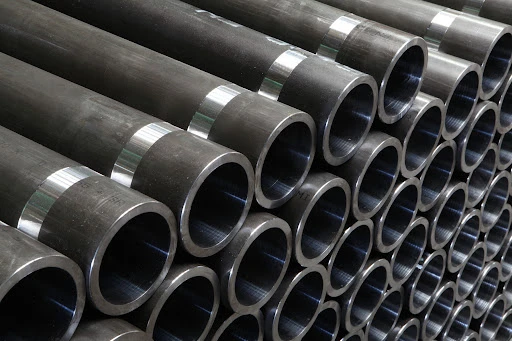

The surface finish of the black anneal tubes also plays a role. A smooth surface finish can reduce the likelihood of crevice formation and the accumulation of corrosive substances. On the other hand, a rough surface finish can create more crevices and provide more sites for corrosion to start. So, tubes with a better surface finish are generally more resistant to crevice corrosion.
Now, let's talk about some ways to improve the resistance of black anneal tubes to crevice corrosion. One option is to use coatings. There are various types of coatings available, such as paint, epoxy, or zinc coatings. These coatings act as a barrier between the metal and the environment, preventing moisture and oxygen from reaching the surface of the tube. For example, a zinc coating, also known as galvanizing, can provide sacrificial protection to the steel. The zinc corrodes first, protecting the underlying steel from corrosion.
Another way is to design the system to minimize crevice formation. This can involve using proper joint design, avoiding tight spaces where stagnant solutions can accumulate, and ensuring good drainage. For example, when installing black anneal tubes, make sure to use proper gaskets and seals to prevent the formation of crevices. Also, keep the tubes clean and free from deposits, as deposits can create crevices and promote corrosion.
We also offer Iron Tube and Cold Rolled Black Annealed Steel Pipe in addition to our regular black anneal tubes. These products also have their own characteristics when it comes to crevice corrosion resistance. The cold - rolled process can give the steel a more uniform structure, which might have some impact on its corrosion behavior. And iron tubes, depending on their purity and treatment, can also vary in their resistance to crevice corrosion.
In conclusion, black anneal tubes are not inherently resistant to crevice corrosion, especially carbon steel ones. But by considering factors like steel composition, environment, and surface finish, and by taking steps like using coatings and proper design, we can improve their resistance. If you're in the market for black anneal tubes and have concerns about crevice corrosion, we're here to help. We can provide you with the right type of tubes based on your specific application and environment. Whether you need Annealed Steel Pipe, Iron Tube, or Cold Rolled Black Annealed Steel Pipe, we've got you covered.
If you're interested in purchasing black anneal tubes or have any questions about their performance and suitability for your project, feel free to reach out. We're always happy to have a chat and discuss your requirements. Let's work together to find the best solution for your needs.
References
- Fontana, M. G. (1986). Corrosion Engineering. McGraw - Hill.
- Uhlig, H. H., & Revie, R. W. (1985). Corrosion and Corrosion Control. Wiley - Interscience.
