

Hey there! As a supplier of PPGI blue steel coil, I often get asked if this type of steel coil can be used in corrosive environments. It's a valid question, and one that I'm more than happy to dive into.
First off, let's talk a bit about what PPGI blue steel coil is. PPGI stands for Pre-Painted Galvanized Iron. It's basically galvanized steel that has been pre-painted. The galvanized layer provides a base level of protection against corrosion, as zinc is known for its sacrificial protection properties. The paint layer on top adds an extra barrier, not only protecting the steel from the elements but also giving it that nice blue color. You can also check out our Blue Color Ppgi 5012 Ral for a specific color option.
Now, to answer the big question: Can PPGI blue steel coil be used in corrosive environments? Well, the short answer is, it depends.
In mild corrosive environments, PPGI blue steel coil can be a great choice. For example, in areas with normal humidity and occasional exposure to rain, the combination of the galvanized layer and the paint coating can do a pretty good job of protecting the steel. The zinc in the galvanized layer will corrode first, sacrificing itself to protect the underlying steel. And the paint layer acts as a physical barrier, preventing moisture and oxygen from reaching the steel surface.
Let's say you're building a small shed in your backyard. If you live in an area with a relatively mild climate, using PPGI blue steel coil for the roof or walls can be a cost - effective and aesthetically pleasing option. It'll look great in that blue color, and it should hold up well over time.
However, in more severe corrosive environments, things get a bit more complicated. Areas with high levels of industrial pollution, where there are lots of chemicals in the air, or coastal regions with high salt content in the air can be tough on PPGI blue steel coil.
In industrial areas, pollutants like sulfur dioxide can react with the moisture in the air to form acids. These acids can eat away at the paint layer and the galvanized coating. Once the protective layers are compromised, the steel starts to corrode. The same goes for coastal areas. Saltwater is highly corrosive, and the salt particles in the air can stick to the surface of the steel coil. Over time, they can penetrate the paint and galvanized layers, leading to rust and corrosion.
If you're thinking about using PPGI blue steel coil in a more severe corrosive environment, you might want to consider some additional protective measures. One option is to apply a corrosion - resistant primer before the paint. This can add an extra layer of protection and help the paint adhere better to the steel. Another option is to choose a thicker galvanized coating. A thicker layer of zinc will take longer to corrode, giving the steel more time to be protected.
It's also important to maintain the PPGI blue steel coil properly. Regular cleaning can remove dirt, salt, and other contaminants that could potentially cause corrosion. If you notice any scratches or chips in the paint, it's a good idea to touch them up as soon as possible. This will prevent moisture and oxygen from reaching the steel through the damaged areas.
When comparing PPGI blue steel coil to other types of steel coils, like White Steel Coil, the basic corrosion - resistance principles are the same. The color of the paint doesn't really affect the corrosion resistance directly. However, different paint formulations might have different levels of durability and resistance to environmental factors.
In some cases, if the corrosive environment is extremely harsh, you might want to consider alternative materials altogether. Stainless steel, for example, has excellent corrosion resistance. But it can be more expensive than PPGI blue steel coil. So, it really comes down to a balance between cost, performance, and the specific requirements of your project.
To sum it up, PPGI blue steel coil can be used in mild corrosive environments with confidence. In more severe situations, it can still be used, but you'll need to take some extra precautions. As a supplier, I've seen PPGI blue steel coil work well in a variety of applications, from small residential projects to larger commercial ones.

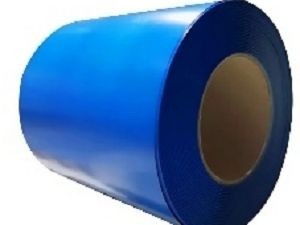
If you're considering using PPGI blue steel coil for your project, whether it's in a mild or potentially corrosive environment, I'd love to have a chat with you. I can help you choose the right type of coil, based on your specific needs and the conditions it'll be exposed to. So, don't hesitate to reach out if you have any questions or if you're ready to start a procurement discussion. Let's work together to find the best solution for your project!
References
- Smith, J. (2020). "Corrosion Resistance of Painted Steel Products". Journal of Materials Science.
- Brown, A. (2019). "Galvanized Steel in Different Environments". Industrial Materials Review.
