

Hey there! As a supplier of PPGI steel coils, I often get asked about what exactly goes into these coils. So, I thought I'd break it down for you in this blog post.
The Basics of PPGI Steel Coil
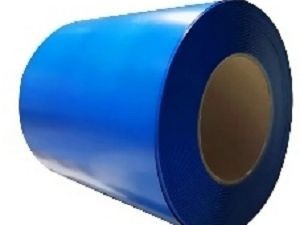
PPGI stands for Pre-Painted Galvanized Iron. It's a type of steel coil that has a layer of zinc coating on the steel substrate, followed by a layer of paint. This combination gives PPGI steel coils excellent corrosion resistance and a nice aesthetic appearance.
Chemical Composition of the Steel Substrate
Let's start with the steel substrate, which forms the core of the PPGI steel coil. The main component of steel is iron (Fe). It usually makes up more than 90% of the steel. Iron is a strong and ductile metal, but on its own, it's prone to rusting. That's where other elements come in.
Carbon (C) is another important element in steel. Even in small amounts, usually less than 2%, carbon can significantly affect the strength and hardness of the steel. A higher carbon content generally means a stronger and harder steel, but it also makes the steel more brittle.

Manganese (Mn) is added to steel to improve its strength and toughness. It also helps to remove impurities like sulfur and oxygen during the steelmaking process. Typically, the manganese content in steel can range from 0.2% to 2%.
Phosphorus (P) and sulfur (S) are considered impurities in steel. They can have a negative impact on the steel's properties, such as its ductility and weldability. So, steelmakers try to keep the levels of these elements as low as possible, usually less than 0.05%.
Silicon (Si) is often added to steel to improve its strength and resistance to oxidation. It can also help to deoxidize the steel during the manufacturing process. The silicon content in steel can vary from 0.1% to 0.5%.
The Zinc Coating
The zinc coating on PPGI steel coils is crucial for protecting the steel from corrosion. Zinc is a more reactive metal than iron, so when it's exposed to the environment, it corrodes first, sacrificing itself to protect the underlying steel. This process is called galvanic protection.
The zinc coating is usually applied to the steel through a process called hot-dip galvanizing. In this process, the steel is dipped into a bath of molten zinc at a temperature of around 450°C. The zinc reacts with the steel to form a series of zinc-iron alloy layers, which provide a strong and durable bond between the zinc and the steel.
The thickness of the zinc coating can vary depending on the application and the level of corrosion protection required. For example, in coastal areas where the environment is more corrosive, a thicker zinc coating may be needed.
The Paint Layer
The paint layer on PPGI steel coils not only adds an aesthetic appeal but also provides an additional layer of protection against corrosion. The paint is usually applied in a continuous coil coating process, where the steel coil passes through a series of coating stations.
The paint can be made from different types of resins, such as polyester, silicon-modified polyester, and polyvinylidene fluoride (PVDF). Each type of resin has its own properties and advantages.
Polyester is the most commonly used resin for PPGI steel coils. It offers good weather resistance, color retention, and adhesion. It's also relatively inexpensive, making it a popular choice for many applications.
Silicon-modified polyester has better weather resistance and color retention than regular polyester. It can withstand more extreme weather conditions, such as high temperatures and UV radiation.
PVDF is the most advanced type of resin for PPGI steel coils. It offers excellent weather resistance, color retention, and chemical resistance. PVDF-coated PPGI steel coils are often used in high-end applications, such as building facades and automotive parts.
Different Colors and Standards
We offer a wide range of colors for our PPGI steel coils. If you're interested in the PPGI Steel Coil RAL Standard, we've got you covered. The RAL standard is a widely used color matching system in Europe, and it allows you to choose the exact color you need for your project.
One of our popular colors is the Blue Color Ppgi 5012 Ral. It's a beautiful and vibrant blue that can add a touch of style to any project.
Custom Sizes
We also understand that different customers may have different requirements when it comes to the size of the PPGI steel coils. That's why we offer Custom Size PPGI Coil options. Whether you need a specific width, thickness, or length, we can work with you to meet your needs.
Why Choose Our PPGI Steel Coils
Our PPGI steel coils are made with high-quality materials and advanced manufacturing processes. We have strict quality control measures in place to ensure that every coil meets our high standards.
Not only do our PPGI steel coils offer excellent corrosion resistance and aesthetic appeal, but they also come at a competitive price. We believe in providing our customers with the best value for their money.
Let's Talk
If you're in the market for PPGI steel coils, I'd love to hear from you. Whether you have questions about the chemical composition, colors, sizes, or anything else, feel free to reach out. We can discuss your specific requirements and find the perfect solution for your project.
References
- ASM Handbook, Volume 1: Properties and Selection: Irons, Steels, and High-Performance Alloys
- Steelmaking and Refining by The Making, Shaping and Treating of Steel
So, that's a quick overview of the chemical composition of PPGI steel coils. I hope this post has been helpful. If you have any other questions, don't hesitate to ask!