

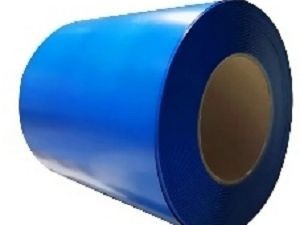
Hey there! As a supplier of PPGI blue steel coils, I'm super stoked to dive into the nitty - gritty of their microstructure. You might be wondering, "What's the big deal about the microstructure of a PPGI blue steel coil?" Well, it's actually crucial as it determines a whole bunch of properties like durability, corrosion resistance, and even the overall look.
Let's start from the basics. PPGI stands for Pre - Painted Galvanized Iron. It's a type of steel coil that has a zinc coating on the surface to prevent rust, and then it gets a layer of paint. The blue color in our PPGI blue steel coils is not just for show; it can offer some additional protection and, of course, a sleek aesthetic.
The Core: Steel Substrate
At the heart of the PPGI blue steel coil is the steel substrate. This is usually made of low - carbon steel, which is known for its good formability and strength. Low - carbon steel contains a relatively small amount of carbon, typically less than 0.3%. This low carbon content makes the steel more ductile, meaning it can be bent, rolled, and shaped without cracking easily.
The steel substrate has a fine - grained microstructure. The grains are tiny crystals of iron and other alloying elements. A fine - grained structure generally leads to better mechanical properties. For example, it can improve the strength of the steel without sacrificing too much ductility. When we're manufacturing the PPGI blue steel coils, the processing conditions, like the rolling temperature and cooling rate, can greatly affect the grain size of the steel substrate.
The Zinc Coating
On top of the steel substrate, there's a zinc coating. Zinc is a popular choice for coating steel because it provides excellent corrosion protection. The zinc coating forms a physical barrier between the steel substrate and the environment, preventing oxygen and moisture from reaching the steel and causing rust.
The microstructure of the zinc coating is quite interesting. It consists of different phases. The outermost layer is usually a layer of zinc oxide, which forms when the zinc reacts with oxygen in the air. Beneath this oxide layer, there are different zinc - iron alloy phases. These alloy phases are formed during the hot - dip galvanizing process, where the steel substrate is dipped into a bath of molten zinc.
The thickness of the zinc coating can vary depending on the application. For applications where the steel coil will be exposed to harsh environments, a thicker zinc coating is often used. The zinc coating also has a self - healing property. If the coating gets scratched, the zinc around the scratch will corrode preferentially, protecting the underlying steel.
The Paint Layer
Now, let's talk about the blue paint layer. The paint layer not only gives the PPGI blue steel coil its distinctive color but also adds an extra layer of protection. The paint is usually applied in multiple coats. The first coat is often a primer, which helps the paint adhere to the zinc coating and provides additional corrosion protection.
The microstructure of the paint layer is made up of polymer molecules. These polymers form a continuous film on the surface of the zinc coating. The blue pigment is dispersed within this polymer matrix. The type of polymer used in the paint can vary. Common polymers include polyester, polyurethane, and polyvinylidene fluoride (PVDF).
Polyester is a popular choice because it's relatively inexpensive and offers good general - purpose protection. Polyurethane provides better weather resistance and durability, making it suitable for outdoor applications. PVDF is the most high - end option, offering excellent resistance to UV radiation, chemicals, and weathering.
The Bonding between Layers
One of the most important aspects of the PPGI blue steel coil is the bonding between the different layers. A strong bond is essential for the long - term performance of the coil. The bonding between the steel substrate and the zinc coating occurs through a metallurgical reaction during the hot - dip galvanizing process. The zinc - iron alloy phases that form at the interface create a strong bond between the two layers.
The bonding between the zinc coating and the paint layer is achieved through a combination of mechanical and chemical adhesion. The primer in the paint layer is designed to bond well with the zinc surface. It can chemically react with the zinc oxide layer on the surface of the zinc coating, forming strong chemical bonds. At the same time, the rough surface of the zinc coating provides mechanical interlocking for the paint, further enhancing the adhesion.
How the Microstructure Affects Performance
The microstructure of the PPGI blue steel coil has a direct impact on its performance. For example, the fine - grained steel substrate allows the coil to be formed into different shapes without cracking. This is crucial for applications like roofing and wall cladding, where the steel coil needs to be bent and shaped on - site.

The zinc coating's ability to provide corrosion protection is closely related to its microstructure. A well - formed zinc coating with the right alloy phases can offer long - term protection against rust. And the paint layer, with its polymer - based microstructure, can enhance the aesthetic appeal of the PPGI blue steel coil and provide additional protection against environmental factors.
If you're interested in Custom Size PPGI Coil, we can customize the size according to your specific needs. Our Blue Color Ppgi 5012 Ral has a beautiful blue color that can add a touch of style to your projects. And if you're looking for a more general - purpose product, our Color Coated Galvanized Steel Sheet is a great option.
Conclusion
In conclusion, the microstructure of PPGI blue steel coils is a complex but fascinating topic. From the steel substrate to the zinc coating and the paint layer, each part of the microstructure plays a vital role in determining the properties and performance of the coil. Whether you're in the construction industry, automotive industry, or any other field that uses steel coils, understanding the microstructure can help you make better choices when it comes to selecting the right PPGI blue steel coil for your application.
If you're thinking about purchasing PPGI blue steel coils, don't hesitate to reach out. We're here to answer all your questions and help you find the perfect product for your needs. Let's start a conversation and see how we can work together!
References
- ASM Handbook Volume 1: Properties and Selection: Irons, Steels, and High - Performance Alloys
- Corrosion Basics: An Introduction by Pierre R. Roberge