

As a supplier of black anneal tubes, I often encounter inquiries regarding the compatibility of these tubes with other materials. This topic is crucial as it directly impacts the performance and longevity of various applications where black anneal tubes are used. In this blog, I will delve into the compatibility of black anneal tubes with different materials, exploring the factors that influence compatibility and providing practical insights for those considering using these tubes in their projects.
Understanding Black Anneal Tubes
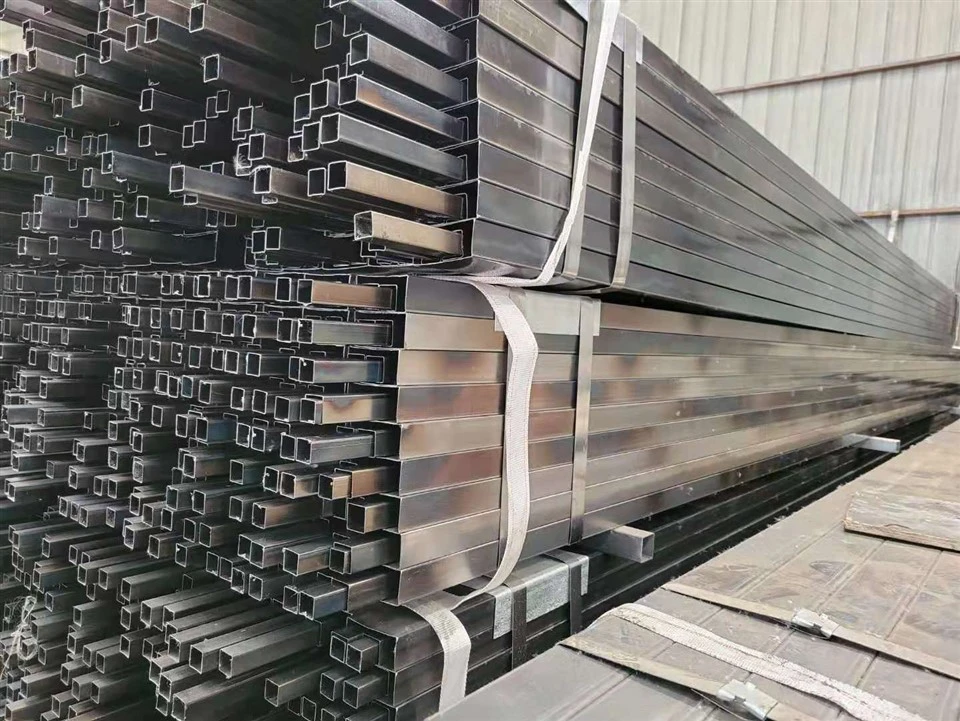
Before discussing compatibility, it's essential to understand what black anneal tubes are. Black anneal tubes are made from steel that has undergone an annealing process. Annealing is a heat treatment that softens the steel, making it more ductile and reducing internal stresses. This process enhances the tube's formability, allowing it to be easily bent, shaped, and welded without cracking. The "black" in black anneal tubes refers to the oxide layer that forms on the surface during the annealing process, which provides some degree of corrosion resistance.
Our company offers a wide range of black anneal tubes, including 2 Inch Black Iron Pipe, Annealed Steel Pipe, and Black Round Pipe. These tubes are available in various sizes and thicknesses to meet the diverse needs of our customers.

Compatibility with Other Metals
One of the most common questions I receive is whether black anneal tubes are compatible with other metals. The answer depends on several factors, including the type of metal, the environment in which the tubes will be used, and the intended application.
Steel
Black anneal tubes are typically made of steel, so they are highly compatible with other steel materials. When joining black anneal tubes with other steel components, welding is a common method. Welding creates a strong, permanent bond between the tubes and the steel parts, ensuring structural integrity. However, it's important to use the appropriate welding technique and filler material to prevent issues such as cracking or corrosion.
Copper
Copper is another metal that is often used in conjunction with black anneal tubes. Copper has excellent thermal conductivity and corrosion resistance, making it a popular choice for plumbing and electrical applications. When connecting black anneal tubes to copper pipes, it's crucial to use a suitable connector to prevent galvanic corrosion. Galvanic corrosion occurs when two different metals are in contact with each other in the presence of an electrolyte, such as water. To avoid this, a dielectric union or a plastic coupling can be used to separate the two metals.
Aluminum
Aluminum is lightweight and has good corrosion resistance, but it is also more reactive than steel. When black anneal tubes are in contact with aluminum, there is a risk of galvanic corrosion. To prevent this, a protective coating or a non-conductive barrier can be applied between the two metals. Additionally, it's important to ensure that the aluminum and steel are properly grounded to minimize the potential for electrical currents to flow between them.
Compatibility with Non-Metallic Materials
Black anneal tubes can also be used in conjunction with non-metallic materials, such as plastics and rubber. These materials offer different properties and advantages, depending on the application.
Plastics
Plastic pipes are commonly used in plumbing and drainage systems due to their lightweight, corrosion resistance, and ease of installation. When connecting black anneal tubes to plastic pipes, it's important to use a compatible connector that can provide a secure and leak-free joint. There are various types of connectors available, including compression fittings, push-fit fittings, and solvent-welded fittings. The choice of connector depends on the type of plastic pipe and the application.
Rubber
Rubber is often used as a sealing material in pipes and fittings to prevent leaks. When using black anneal tubes with rubber gaskets or seals, it's important to ensure that the rubber is compatible with the steel. Some types of rubber may react with the steel, causing corrosion or degradation of the rubber. It's recommended to use rubber materials that are specifically designed for use with steel and are resistant to chemicals and environmental factors.
Factors Affecting Compatibility
Several factors can affect the compatibility of black anneal tubes with other materials. These factors should be carefully considered when selecting materials and designing a system.
Chemical Environment
The chemical environment in which the tubes will be used is a critical factor in determining compatibility. Different materials have different resistance to chemicals, and exposure to certain chemicals can cause corrosion or degradation of the tubes or the other materials. For example, in a highly acidic or alkaline environment, some metals may corrode more quickly, while certain plastics may become brittle or dissolve. It's important to choose materials that are resistant to the specific chemicals present in the environment.
Temperature
Temperature can also have a significant impact on the compatibility of black anneal tubes with other materials. Some materials may expand or contract at different rates when exposed to temperature changes, which can cause stress and damage to the joints or the tubes themselves. For example, in high-temperature applications, it's important to use materials that have similar thermal expansion coefficients to prevent cracking or leakage.
Mechanical Stress
Mechanical stress, such as vibration, pressure, or bending, can also affect the compatibility of black anneal tubes with other materials. When the tubes are subjected to mechanical stress, it's important to ensure that the joints and connections are strong enough to withstand the forces. Additionally, the materials should be able to absorb the stress without deforming or breaking.
Practical Considerations for Compatibility
When using black anneal tubes in conjunction with other materials, there are several practical considerations that can help ensure compatibility and optimal performance.
Surface Preparation
Proper surface preparation is essential for ensuring a strong and durable bond between black anneal tubes and other materials. Before joining the tubes, the surfaces should be cleaned to remove any dirt, oil, or rust. This can be done using a wire brush, sandpaper, or a chemical cleaner. Additionally, the surfaces may need to be primed or coated to improve adhesion and prevent corrosion.
Testing
Before installing a system that involves black anneal tubes and other materials, it's recommended to conduct compatibility testing. This can involve exposing samples of the materials to the expected chemical environment, temperature, and mechanical stress to evaluate their performance. Compatibility testing can help identify any potential issues and allow for adjustments to be made before the system is installed.
Maintenance
Regular maintenance is important for ensuring the long-term compatibility and performance of black anneal tubes and other materials. This can include inspecting the tubes and connections for signs of corrosion, damage, or wear, and replacing any components as needed. Additionally, it's important to follow the manufacturer's recommendations for maintenance and care to ensure that the system operates safely and efficiently.
Conclusion
In conclusion, black anneal tubes can be compatible with a wide range of other materials, but it's important to carefully consider the factors that affect compatibility and take appropriate measures to ensure a successful installation. By understanding the properties of the materials, the chemical environment, and the mechanical stress, you can make informed decisions when selecting materials and designing a system.
If you have any questions or need further information about the compatibility of black anneal tubes with other materials, or if you are interested in purchasing our black anneal tubes, please feel free to contact us. We are a leading supplier of high-quality black anneal tubes and can provide you with the expertise and support you need for your project.
References
- ASM Handbook, Volume 1: Properties and Selection: Irons, Steels, and High-Performance Alloys
- ASTM International Standards for Steel Pipes and Fittings
- National Association of Corrosion Engineers (NACE) Standards and Publications